In my MA UX Design final major project, I explored the design and research process of a disruptive technology in a dystopian future.
The project outcomes include a collaborative research method proposal for investigating complex human relationships with wearable devices, and one conceptual development of a such device.
Brief
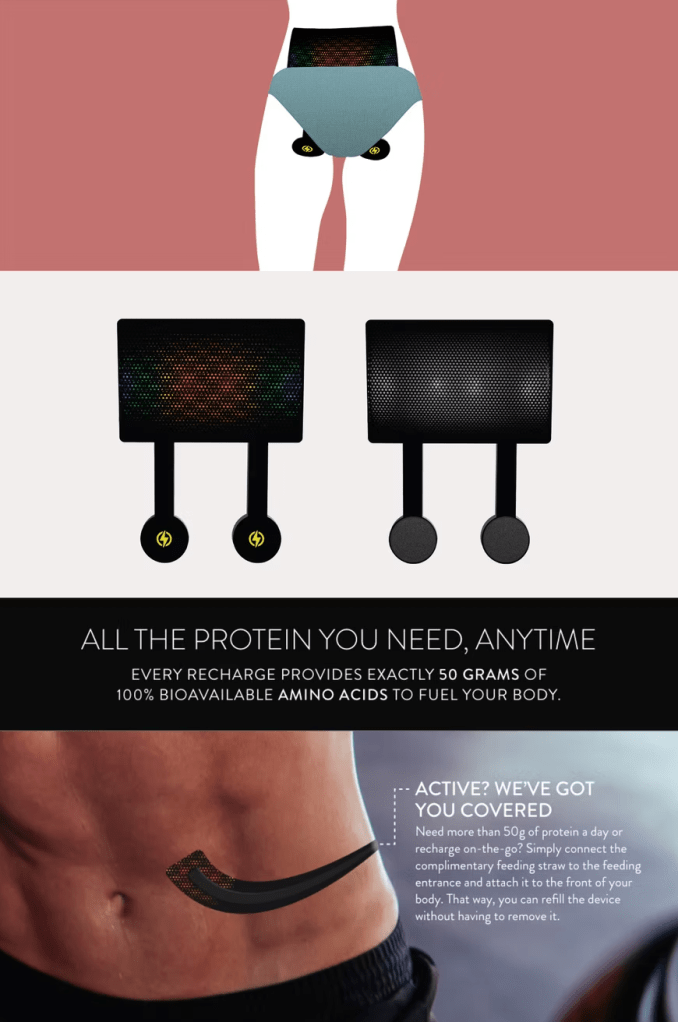
In a dystopian–yet not unlikely–future, where a virus destroys human capacity to digest proteins, there is the urgent need to design an alternative way to get the essential nutrient. Maybe through the skin? Could humans ever wear their food? How could designers approach this issue?
TUTORS DR. JOHN FASS | DR. EVA VERHOEVEN | MOR BAKAL | EMILY GROVES
Research Question
What does the experience of wearing a device that delivers proteins to the body look like, and in which ways does it affect other areas of human life?
Outcomes
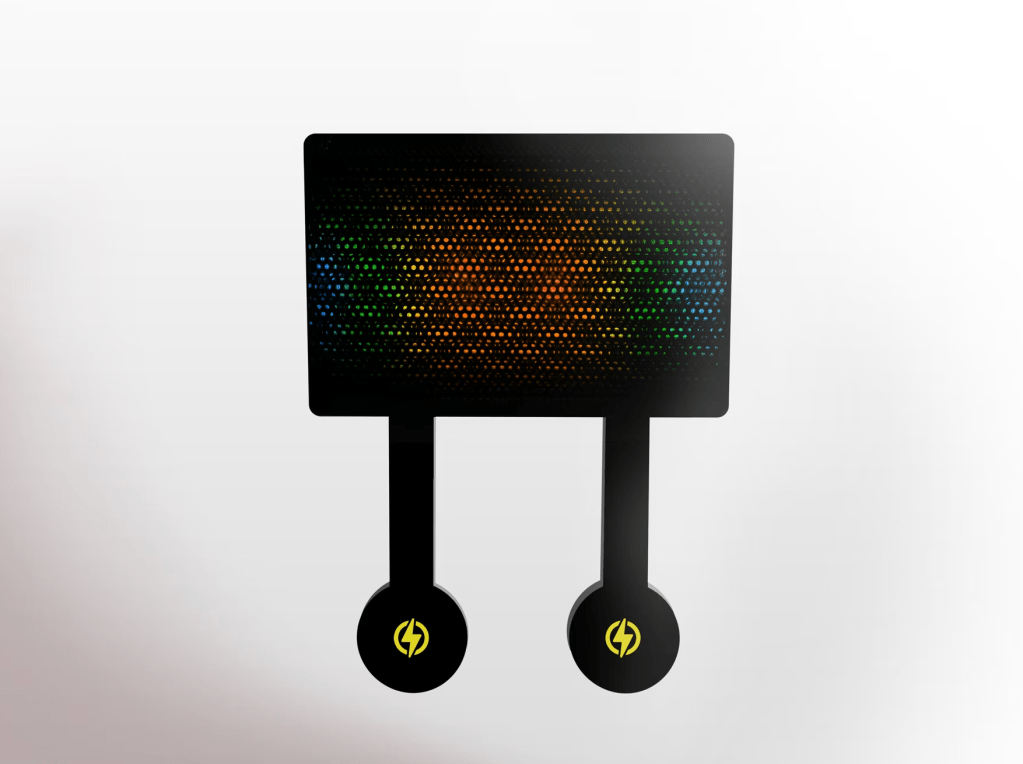
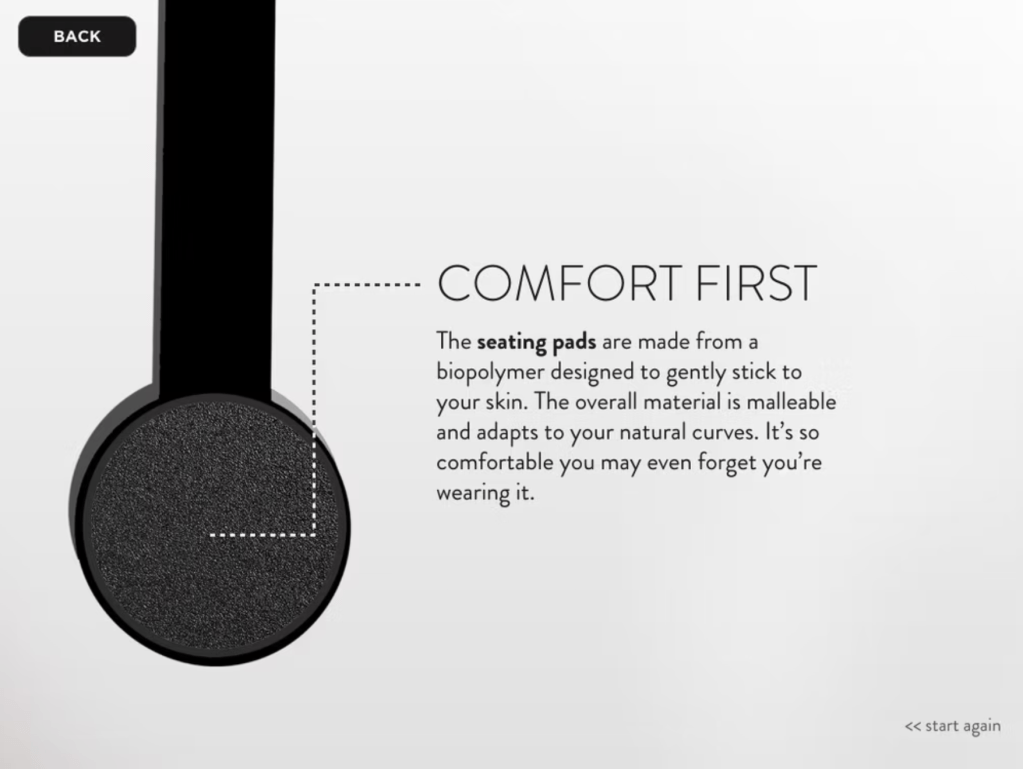
A research method proposal for design research for speculative futures. A concept wearable device.



MORE INFO
Click on the links below to be redirected to my MA process blog to read more about this project.
Inquiry & Investigation Phase
Initial Design Explorations Phase
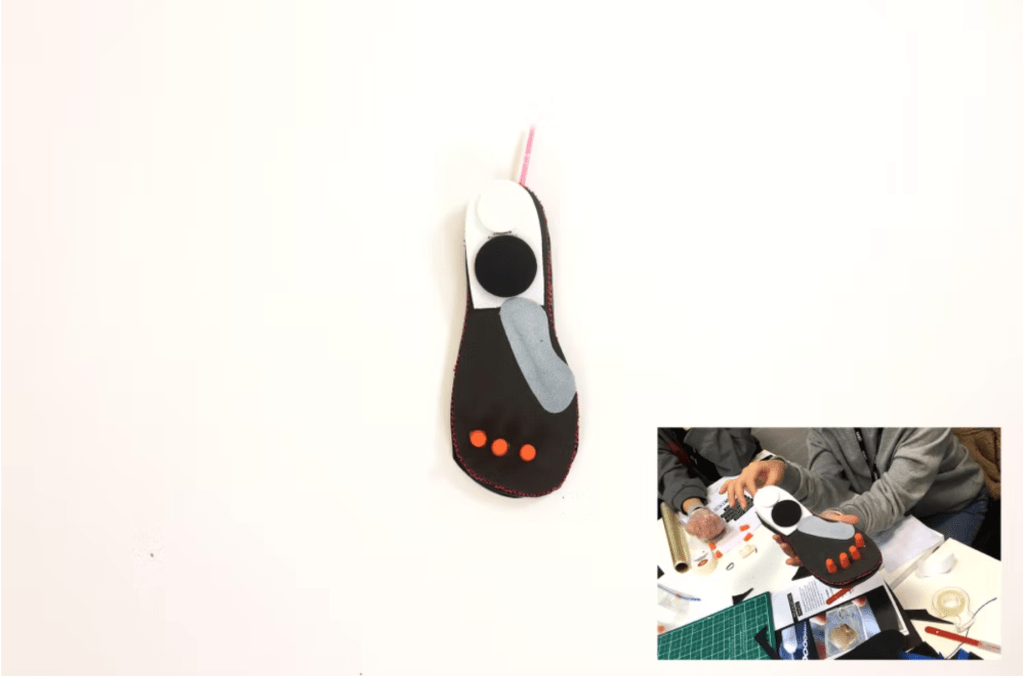
Collaborative Speculative Design Session
Final Outcome and Considerations
PROJECT DURATION
5 months – July/2019 to November/2019
RESEARCH METHODS USED
Literature Review
Practice Review
AEIOU Framework
Prototyping
Collaborative Design Workshop + Design Fiction
PROCESS
Intensive desk research on areas I was previously not familiar with, such as biochemistry, nutrition, nanotechnology, biomaterials, philosophy of technology, transhumanism and posthumanism.
Practice review on previous art and design works touching the subject of body augmentation or modification.
Collaboration with specialists in the aforementioned fields.
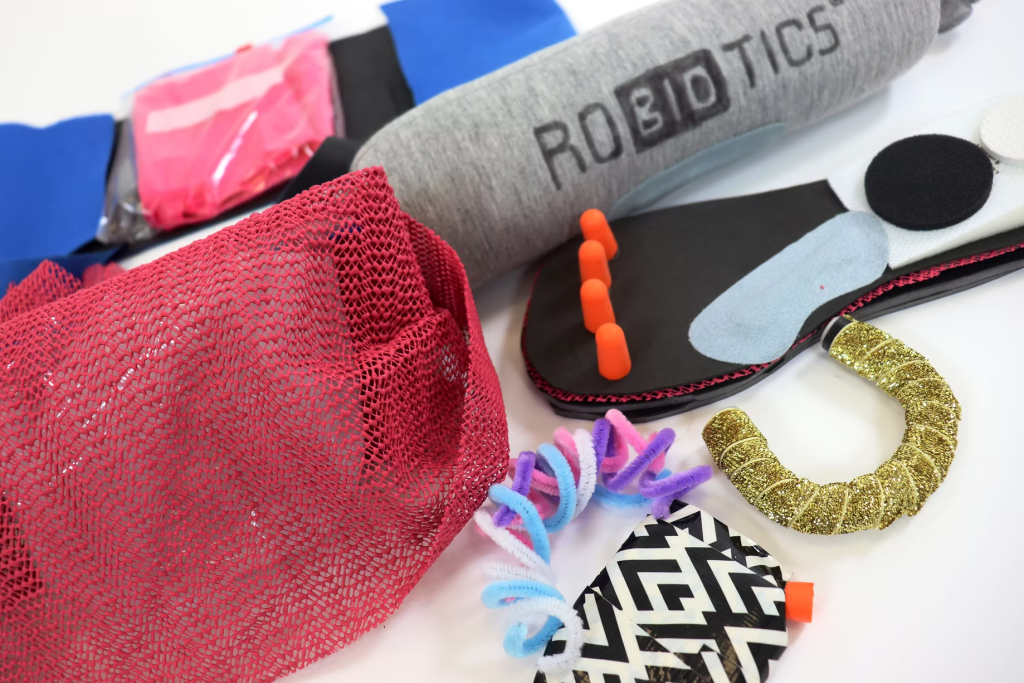
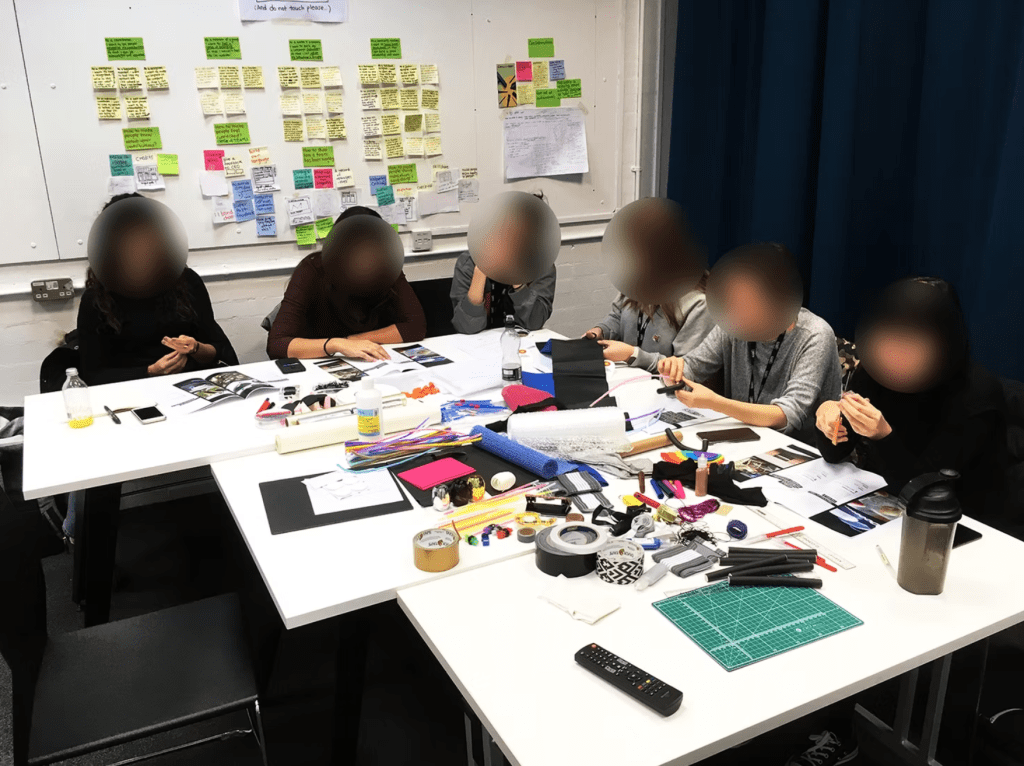
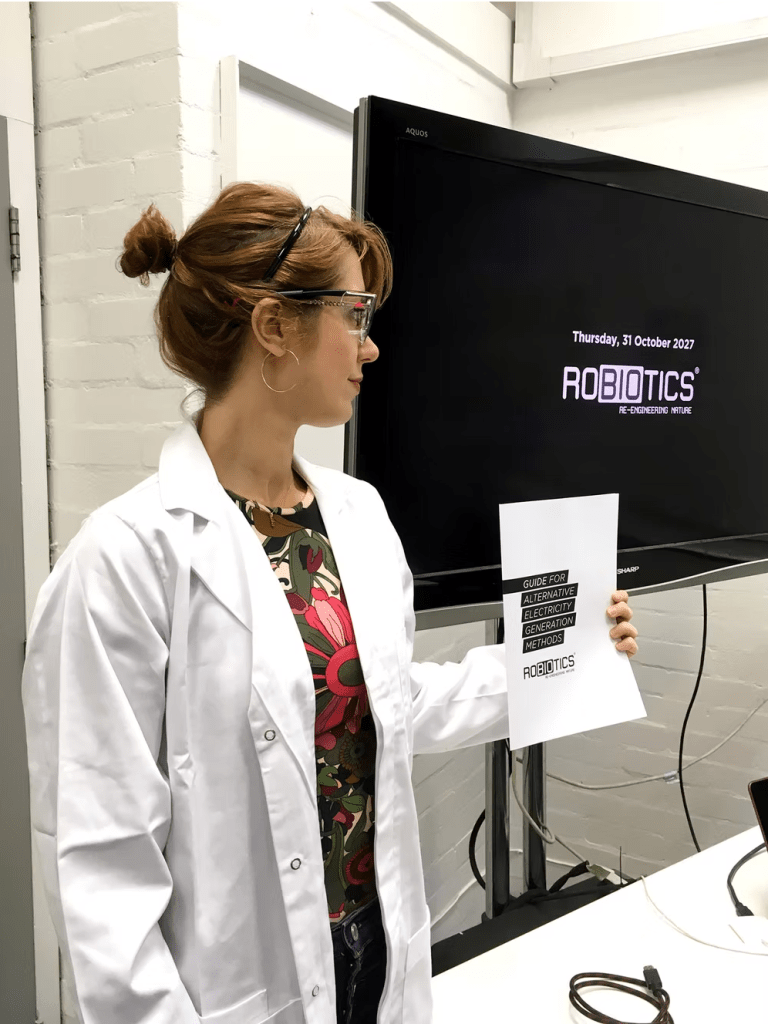
The combination of two different qualitative research methods – design fiction and collaborative design – into one in order to investigate a speculative future.
A thorough analysis of the artefacts created in the speculative design workshop, culminating in the extraction of their design principles.
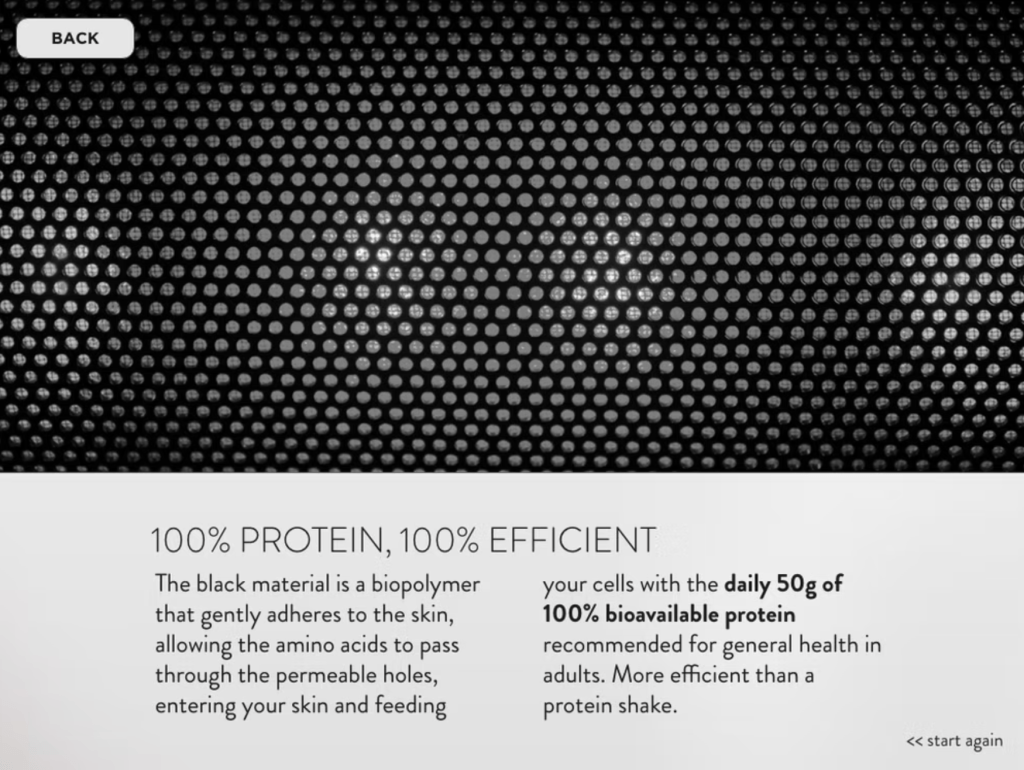
The translation of said design principles into a piece of conceptual wearable device.
An argument in favour of the de-hierarquisation of design methods in order to spark meaningful conversations with all involved.
 daniela navaes